
• Skip to primary navigation
  • Skip to main content
  • Skip to primary sidebar
  • Skip to footer

Carol Goodman Kaufman

a.k.a. Carolinda Goodman

  • Home
  • About
    • Carol Goodman Kaufman
    • Carolinda Goodman
  • Events
  • Articles
    • Art & Culture
    • Travel Writing
    • Food Writing
  • Books
    • Mystery Writing
    • Children’s Writing
    • Non-fiction
  • Podcasts
  • Newsletters
  • TV & Radio
  • Press
  • Blog
  • Contact
  •  

Carol

An New Old Chestnut

September 14, 2026 by Carol 2 Comments

In yet another tree experiment from this persistent, if not always successful gardener:

About fifteen years, one of our dinner guests brought us chestnuts he had harvested from his own trees. I roasted them the next day. They were absolute delicious. It turns out that they were Chinese chestnuts, immune to the blight that had killed off their American cousins over 100 years ago.

I immediately ordered a tree. It came, I planted it. Then I learned that it takes two to tango, so I ordered a second one. I measured out the forty feet between the two, as instructed.

The instructions also said that it could take three to four years to see results, but although the two trees grew, they did not produce a single chestnut. Year after year, I checked the branches but found nothing.

Until this year. One tree has a bunch of those spiky pods that signal a chestnut crop is on the way.

The second tree, however, had odd looking things growing on its branches. They were much smaller and not at all spiky. What was going on? I opened up my Picture This app and got a very big surprise.

The tree with the odd things wasn’t a chestnut at all. It was a saw tooth oak!

Huh? All these years later, I’m just now finding out that the nursery sent me the wrong tree?

So, my question: Without a second tree to pollinate the first, how did the chestnuts begin to grow? A couple of friends have suggested that there must be a chestnut tree somewhere close by. But there are none. We live far from our closest neighbors.

Will those spiky pods actually have nuts in them? We should know in about a month.

Stay tuned!
Filed Under: Food, Gardening, Nature Tagged With: chestnut tree, chestnuts, Chineses chestnut

How to Prepare and Present Your Homegrown Foods, Whether for Gifting or Selling: Guest Post by Clara Beaufort

July 29, 2025 by Carol Leave a Comment

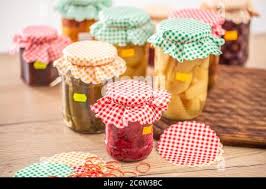
Nothing says care quite like a jar of jam from your own berries, or a basket of vegetables you nurtured from seed. Homegrown foods carry a kind of quiet pride — they tell the recipient you paid attention. But presentation matters as much as the food itself, whether you’re gifting to a friend or setting up shop at the local market. With a little creativity, your homegrown goods can look as good as they taste. Below, you’ll find seven ways to elevate your presentation, each one designed to help your food stand out and feel unforgettable.

Choose containers that feel intentional

The first thing people notice isn’t the food — it’s the box, bag, or jar that holds it. That’s why choosing reusable kraft cookie boxes with windows works so well for baked goods and small produce. The clear window shows off what you’ve made while the earthy kraft finish keeps it feeling handmade. These boxes also stack neatly and travel well, making them ideal for gift baskets or retail displays. They feel sturdy in the hand and, importantly, they don’t scream plastic, which keeps your homegrown vibe intact.

Play with layers in mason jars

If you’ve ever seen a beautifully arranged jar of cookie mix, you know the charm of layers. The same principle works for spice blends, pickled vegetables, and dry soup mixes — the visual effect is almost as important as the taste. Funnel your ingredients carefully to create a layered mason‑jar mix display, and you turn what might feel ordinary into something people love to keep on their counter. Mason jars also photograph beautifully, which can help if you’re promoting your creations online.

Show your goods in their best light

If you’re selling online, or even just posting your creations on social media, presentation extends to photography. One easy trick to make your photos look professional is using an easy to use background remover. Clean backgrounds help your food pop and make it easier to repurpose your photos for labels, menus, and ads. And it takes just seconds — no design skills required.

Make sustainability part of the story

For many customers and recipients, how you package your food reflects how you value the world around you. That’s why more makers are leaning into the benefits of eco‑friendly packaging, like compostable trays and plant-based wraps. Choosing earth‑friendly materials doesn’t just cut down on waste — it also communicates that your values extend beyond profit. People notice. And they’ll often choose you again because of it.

Label everything like you mean it

Nothing feels more polished than a clear, charming label. It’s not just about listing ingredients — it’s about reinforcing your brand, even if you’re just “Grandma’s Garden.” Learn how to makepersonalized jar labels at home and you can craft something that fits the tone of your product, from rustic to modern. Good labels also reassure people about what they’re eating, which makes them more likely to come back for more.

Include the right details

When you’re gifting or selling preserved goods like jams, salsas, or canned fruits, don’t forget the little things. Your recipient should always know what’s inside, when it was made, and when it’s best enjoyed. It helps to include production date and ingredients clearly on each jar. Not only does this inspire confidence in your kitchen skills, it shows that you care about their experience — and it protects everyone if there are allergens.

Add an element of play

You don’t have to stick with jars and baskets. Some of the most memorable packaging ideas lean into whimsy — like whimsical popsicle‑shaped boxes for candies or cookies. They spark conversation and make people smile, which can turn a simple transaction into something they remember. A little playfulness shows personality and makes your goods feel less like a commodity and more like a gift.

Highlight the season with edible garnishes

Finally, never underestimate the impact of what you put on the food. Garnishing your packages with flowers, herbs, or greenery ties your gift to the time of year and makes it feel alive. Take a cue fromusing edible flowers as garnish — tucking a sprig of rosemary or a few pansies into the ribbon can make even a humble loaf of bread feel special. People don’t just see it — they smell it, they remember it.

Your food already carries meaning because you grew it. With a little thought to how you present it, you can turn that meaning into memory — a gift people want to open, a jar they don’t want to throw away. A beautiful presentation is just another way of saying: this mattered to me, and I hope it matters to you!

Filed Under: Uncategorized

A Proustian Memory and a New Project

February 3, 2025 by Carol Leave a Comment

Last week I found a pint of kumquats in the grocery store. And though it was a bit pricey, I bought it.  I have an acute Proustian memory of fruit gift baskets arriving in our home at winter holiday time, their fragrance alone bringing comfort and joy. Since childhood, I have absolutely adored the tiny citrus fruits.

My cousin Reuven has a veritable grove of exotic fruit trees in his backyard, one of which is a kumquat. The moment I plucked a ripe fruit from the branch one sunny day, I knew I had to get a tree of my own.

But if kumquat fruit is hard to find in New England, trees are even more rare. So, when a few years ago I found a sapling in the Home Depot nursery, I bought it. It was looking a little frail but it was the only one there, and I figured I would nurse it to health. It did grow well, full and green, but it didn’t produce a single fruit in three years. So, I called the nursery whose name and number were printed on the tag. I sent the owner a photo of the tree. Surprise, surprise, it wasn’t, in fact, a kumquat. What I owned was the sour orange root stock onto which the kumquat was supposed to have been grafted. When I asked the man to send me a replacement, he gave me a long story. Basically, a run-around. Eventually, I just gave up.

But after three days of blissful enjoyment of my grocery store kumquats last week, and despite the previous failed attempt, I bought myself a little meiwa kumquat tree. It arrived safely the other day, and I placed it in the sunroom to play with its houseplant cousins.

I am cautiously optimistic that this attempt will produce a full crop of the sweet-tart ovals.


Filed Under: Uncategorized

Good things come to those who wait. And wait.

December 26, 2024 by Carol Leave a Comment

A full 25 years after planting the seeds from a used etrog, I finally have a crop of nine!! However, according to some online research, it appears we have a genetic mutation. The fruit is small, round, and orange, never having turned the traditional oblong yellow. Regardless, I am thrilled beyond belief because my co

usin, the expert on exotic trees, told me that if I wanted fruit I would have to graft.

Now, J was convinced that I had actually mixed up the citrus trees in the sunroom, and that this was the sour orange. (Another story for another time: The kumquat I purchased turned out to be a sour orange). So, we cut open the ripe citron and took a taste. Pucker up!  Even a sour orange isn’t that sour. What we had was definitely a citron.
I had assumed that my “crop” was not big enough to do anything significant. But then friend Cathy corrected me. She said I could definitely make a bottle of limoncello.
So, as soon as the other fruits ripen, I’ll pull out a bottle of vodka and get to work.
Cheers!

Filed Under: Uncategorized

Guest post from Clara Beaufort

September 9, 2024 by Carol Leave a Comment

This guide from Clara Beaufort offers creative strategies to make cooking an exciting adventure for your family!

Unleash Creativity in the Kitchen by Engaging Kids in Cooking

Involving your children in the kitchen is a great way to transform meal preparation into a lively, educational journey. Engaging your little ones in cooking keeps them entertained and instills valuable life skills.

Empowering Young Chefs Through Choice

Imagine your kitchen buzzing with excitement as your children pore over recipes, deciding on the week’s special meal. This practice sparks their interest in cooking and teaches them the importance of decision-making and planning. By having a say in the meal preparation, kids feel a sense of responsibility and eagerness to participate. Watch their faces light up with pride as the family sits down to enjoy their chosen dish, turning an ordinary meal into a memorable event.

Online Culinary Adventures

In the digital age, the internet offers a plethora of educational resources to complement your cooking activities. Platforms like Khan Academy provide courses that align with the culinary journey you embark on with your children. From understanding the science behind baking to exploring the history of various cuisines, these online tools enhance the educational aspect of cooking, making it accessible even if you’re juggling remote work. Plus, it’s a great way to keep them entertained if you work from home!

Childproof Your Kitchen Faucets

To child-proof your kitchen faucets, you can install faucet covers that make it difficult for small hands to turn on the water, preventing accidental burns or flooding. Consider adding temperature control devices that limit how hot the water can get, reducing the risk of scalding. You can also use faucet locks or handle covers to ensure that the faucet remains securely off when not in use, giving you extra peace of mind. You may wish to chat with a plumber for options in your area and budget.

A Spectrum of Flavors: Exploring Vegetables Through Color

Dive into the vibrant world of vegetables with your children by selecting produce based on the colors of the rainbow. This creative approach brightens your meals and introduces your kids to a diverse array of nutrients. Challenge them to find vegetables of every color, making each trip to the grocery store an educational treasure hunt. As they learn about the health benefits of different hues, they’ll develop a more adventurous palate, eagerly anticipating the rainbow on their plates.

Stirring Up Imagination: Kitchen as a Stage

Transform your kitchen into a realm of imagination where your children play starring roles in their culinary creation. Whether they’re the head chef, sous chef, or server, they’ll learn the value of teamwork and communication. This role-playing adventure enhances their creativity while teaching them the intricacies of running a kitchen. It’s a fantastic way to combine fun with learning, as they practice math through measuring ingredients and enhance their vocabulary with new cooking terms.

Cooking with Knowledge: Trivia Games in the Kitchen

Incorporate trivia games into your cooking sessions to sprinkle a dash of education onto every dish. Questions about ingredients, cuisines, and cooking techniques turn meal preparation into a lively quiz show. This interactive approach keeps your kids engaged and eager to learn more about the food they eat. It’s a delightful way to deepen their understanding of nutrition and global cultures, all while stirring the pot. 

The Joy of Journaling: Documenting Culinary Creations

Encourage your kids to maintain a cooking journal of their favorite foods – a place where they can document their culinary experiments, favorite recipes, and new discoveries. This not only nurtures their writing and reflection skills but also creates a cherished keepsake of their cooking adventures. They can track their growth as young chefs through journaling, remembering their triumphs and tasty mistakes.

Building Dreams: Integrating Toys into Culinary Play

Bring building toys into the kitchen to stimulate creativity and fine motor skills. Using LEGO or blocks, children can construct models of kitchen tools, design their dream restaurants, or recreate scenes from their favorite cooking shows. This imaginative play complements the hands-on cooking experience, encouraging them to think outside the box and bring their culinary visions to life.

Cooking with your children is more than just preparing meals; it’s a journey filled with learning, creativity, and fun. By embracing these strategies, you turn the kitchen into a classroom where every recipe teaches a lesson and every meal is a story. Engage your kids in cooking today, and watch as they grow into confident, knowledgeable, and imaginative chefs of tomorrow!


Filed Under: Uncategorized

From A to Zuchinni

August 30, 2024 by Carol Leave a Comment

It’s that time of year again, when the zucchini vines are producing vast numbers of the tubular green squashes. So many, in fact, that the joke that makes the rounds every year (and never seems to get old) has people leaving the veggies on a neighbors’ doorsteps in the middle of the night and then running like the wind.

Enough of that. In an effort to use the zucchini in as many different ways as possible, I’ve been collecting recipes for everything from a smashed zucchini salad with toasted chickpeas and peanuts to zucchini-pineapple bread to zucchini lasagna. In case you run out of ideas, at least a dozen cookbooks dedicated to the green squash are offered for sale online and on bookstore shelves.

But how much of the stuff can one eat? Turns out a lot, since every one of these recipes produces a different flavor profile. And the stuff is chock full of vitamins and minerals, so it’s good for us.

Here is my absolutely favorite zucchini bread recipe, taken from a cookbook published by a group of women’s volunteer organizations in Pittsfield, Massachusetts. Not fancied up with chocolate or other unnecessaries, it is absolutely addictive.

Zucchini Bread 

 Ingredients:

3 eggs

1 cup canola oil

2 teaspoons vanilla

2 cups sugar

3 cups flour

1 teaspoon salt

1 teaspoon baking soda

1 teaspoon baking powder

1 teaspoon cinnamon

2 cups shredded zucchini (if taken from the freezer, drain well before using)

1/2 c. cup raisins

Directions:

Beat eggs in mixing bowl.

Add oil and vanilla and mix.

Sift together dry ingredients and add to liquids.

Mix in zucchini and raisins.

Pour into 2 greased loaf pans

Bake 1 hour 5 minutes at 325° (or until a tester comes out clean)

This bread freezes well.

Filed Under: Uncategorized

  • Page 1
  • Page 2
  • Page 3
  • Interim pages omitted …
  • Page 20
  • Go to Next Page »

Primary Sidebar

Recent Posts

  • An New Old Chestnut
  • How to Prepare and Present Your Homegrown Foods, Whether for Gifting or Selling: Guest Post by Clara Beaufort
  • A Proustian Memory and a New Project
  • Good things come to those who wait. And wait.
  • Guest post from Clara Beaufort

Categories

  • Bread
  • Dessert
  • Family history
  • Food
  • Gardening
  • Hanukkah
  • Music
  • Musings
  • Nature
  • Once in a Full Moon
  • Passover
  • Pirate Ships and Shooting Stars
  • Thanksgiving
  • Travel
  • Uncategorized
  • Vegetables
  • Wild foods

Footer

Events & Categories

  • Books
  • Travel Writing
  • Food Writing
  • Art & Culture
  • Podcasts
  • Events

Recent Blog Posts

  • An New Old Chestnut
  • How to Prepare and Present Your Homegrown Foods, Whether for Gifting or Selling: Guest Post by Clara Beaufort
  • A Proustian Memory and a New Project
  • Good things come to those who wait. And wait.
  • Guest post from Clara Beaufort
Follow Carolinda Goodman Follow Mystery and Mayhem Follow Food and Travel With Carol

Copyright © 2026 · CAROL GOODMAN KAUFMAN