 A few years ago, J and I went to dinner at a little place in the Berkshires. We had decent salad and entrees that were meh. But, since we had eaten said salad and fish (so healthy, right?), we decided to order one dessert to split between us. A lover of all things British, I voted for the sticky toffee pudding that I had read about in many English novels. It came in a little ramekin and was so delicious that we could have eaten another three of four of them. Each. No kidding. It was that good.
Flash forward about ten years and we are in Charlottetown, Prince Edward Island, sitting at the bar in The Merchantman restaurant. J had a great fish dinner and I had a scrumptious seared tuna salad. That, of course, meant that we were entitled to have dessert (salad and fish: so healthy, right?). We chose The Merchantman’s version of the same decadent dessert. It was fabulous.
“You should try to make this at home,” said J.
So when our good friends Elena and Steven came for dinner, I did. The particular recipe I chose uses not the customary ramekins, but a bundt pan. Much easier, I thought. And it’s true; it’s not a difficult recipe to make, but it does require lots of steps, several pots, and much patience. BTW, nowhere in the name is there a clue that this dessert is based on dates.
The cake soaked up a lot of the toffee syrup through holes poked in both top and bottom, and was served with even more poured over the top. With a sprinkle of turbinado sugar over it and a dollop of whipped cream, it looked gorgeous. (Bundt pans do make every cake look better.)
It was spectacular. So good, in fact, that when I brought a few slices to share with my writing group, my normally generous-to-a-fault J was a bit put out.
Given that this dessert is made with lots of butter, heavy cream, and dark brown sugar, I would recommend eating nothing but salad in the days preceding a sticky toffee indulgence. Or perhaps, a full-on fast.
Then again, dates are fruit. Right? Must be healthy.
Here is a link to the recipe I used, The only change I made was to puree the date/water mixture in my Ninja rather than simply mash with a fork.
https://www.epicurious.com/recipes/food/views/double-ginger-sticky-toffee-pudding-56390054
 I’ve never been to the Florida Keys, but my family and I have loved key lime pie since the first time we tasted it, and we can certainly understand why it is the official pie of the state of Florida. So, one day I decided that it would be fun to try to make one. But, in what can only be described as a temporary break from reality, I decided to grow my own key limes. What began as two little saplings have grown tall in my sunroom, and every year they produce a crop of about a dozen limes each. And every year I harvest the fruits, squeeze them, and freeze the resulting juice.
 Back in the day, I subscribed to the late, great Gourmet magazine. Every month I swooned over gorgeous photos of exotic places, dreamt of touring France in a hot air balloon, and of course tried many recipes. One dish in particular I resurrected this year: a rum-glazed sweet potato, apple and chestnut gratin.
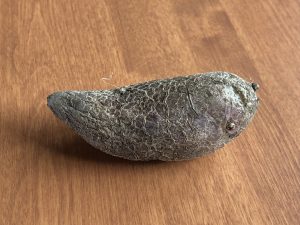 I find nothing quite as satisfying as preparing — and eating — a meal with vegetables from my own garden. An eggplant caponata, zucchini latkes, even just a simple sun-warmed tomato with a sprinkle of salt – all scrumptious.
 Jello, and its jiggly cousin Royal, have long been derided by people who consider themselves epicures. Perhaps their bad rep is due to the association with school cafeterias and hospital stays. Or colonoscopy prep. So, I feel it’s time to come out and admit that I like the stuff, particularly when it’s combined with other ingredients, and even more when it is fashioned into a beautiful shape by virtue of a mold.